
Search
Upcoming Workshops
- PRIVATE EVENT(2 days)
- Workshop: Make Safe and Effective Bug Spray at Karma Coop(11 days)
- Conscious Minds Youth Camp Elder(29 days)
- Herbal Wizard Tracey Gaming and Fantasy Weekend at Camp Naivelt(58 days)
- Camp Nailvelt Creative Week: Tracey Facilitates Craft Workshops(61 days)
- Camp Naivelt: Live Action Role Play with Tracey as Bubbe Mirele(66 days)

Calendar of Workshops & Events
User Login
Navigation
Cypress Essential Oil, Certified Organic
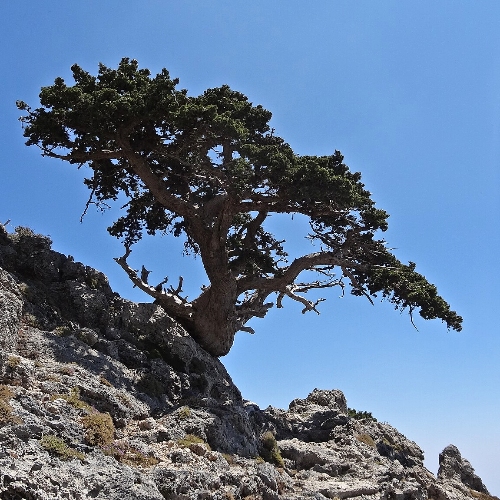
Cupressus sempervirens needles and twigs, steam distilled, from Spain.
Aroma: Fresh, a spicy, herbaceous, slightly woody evergreen aroma. It is fresh and clean.
History: The Phoenicians and Cretans used Cypress wood for building ships and homes. The Egyptians used the wood for making sarcophagi (coffins), and the Greeks used it for sculpturing statues of their gods. The Greek word 'Sempervirens' means 'lives forever' or 'ever-living'. The tree gave its name to the island of Cypress where it used to be worshipped. The legend says the cross of Jesus had been made of cypress wood and it generally seems to be connected with death, and resurrection.
Colour: Pale Yellow
Consistency: Thin
Perfumery Note: Middle
Strength of Initial Aroma: Medium
Common Uses: Cypress essential oil has been used to combat excessive perspiration (particularly feet), hemorrhoids, menorrhagia, oily skin, rheumatism, and varicose veins. Aromatherapists also commonly credit Cypress with being a relaxing, nerve soothing essential oil. It has the properties of an astringent and has been used in skincare applications. I use it to shrink swollen and broken blood vessels such as spider veins, and it can also be used to restore damaged circulation.
Possible Uses: Excessive perspiration, hemorrhoids, menorrhagia, oily skin, rheumatism, varicose veins. [Julia Lawless, The Illustrated Encyclopedia of Essential Oils (Rockport, MA: Element Books, 1995), 57-65.] Broken blood vessels, chilblains.
"Cypress oil has one of the most distinct and profound of psychological actions. The sour, astringent, and woody notes of the essence convey a feeling of cohesion and stability. At the same time, its fresh, coniferous pungency, and ability to circulate the Qi and blood, relate it to both psychological transition and real-life change. Cypress oil's basic subtle action then is to help us cope with and accept even difficult change - of both an inner and outer nature."Aromatherapy for Healing the Spirit, by Gabriel Mojay, page 67
Cypress blends well with bergamot, cedarwood, cardamom, clary sage, juniper, lavender, lemon, pine, mandarin, orange, marjoram, and sandalwood.
Constituents: Cedrol, Sabinol, Terpenyl Acetate, Camphene, Limonene, Myrcene, Pinene, Sabinene [Shirley Price, The Aromatherapy Workbook (Hammersmith, London: Thorsons, 1993), 54-5.]
Contents: @59% pinenes: Furfural d-pinene, d-camphene, cymene, d-sylvestrene, d-terpineol, 1-cypress camphor
Safety Information: Essential Oil Safety by Robert Tisserand does not indicate any special precautions when using this oil. [Robert Tisserand, Essential Oil Safety (United Kingdom: Churchill Livingstone, 1995), 205.]
Photo thanks to Rockhopper2, CC BY-SA 3.0, via Wikimedia Commons
