
Search
Upcoming Workshops
- Bloorcourt Nuit Nuit!(2 days)
- Kol Nidre(4 days)
- Yom Kippur & Ne'ilah Service(5 days)
- Sukkes: The Feast of Shelters(11 days)
- Workshop: DIY Natural Cleaning Products at Karma Coop(11 days)
- EcoFair at the Barns Fall 2026(53 days)

Calendar of Workshops & Events
User Login
Navigation
Dental: Toothbrush Olive Sticks Sewak Zatoun Miswak

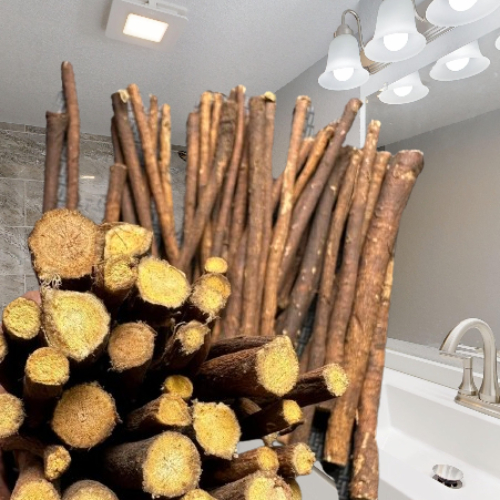
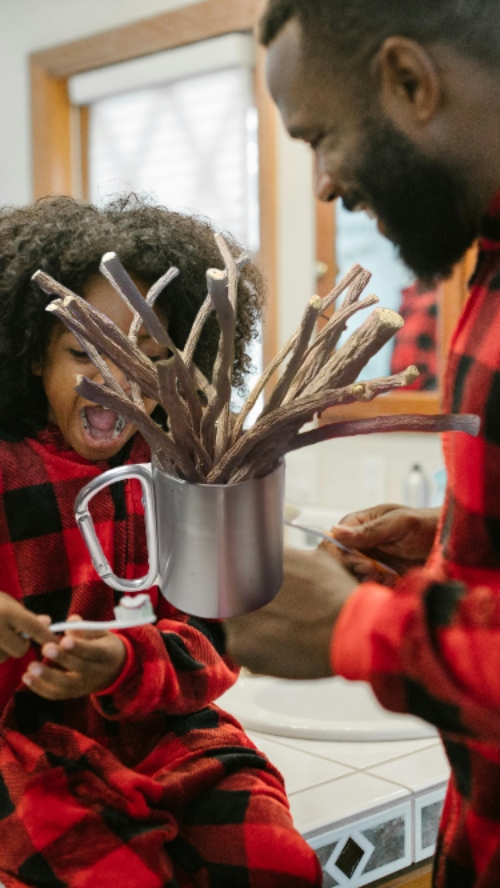
Sewak - Miswak - Siwak - Zatoun - Zaitun
Organic Traditional Natural Toothbrush made from Olive Twigs
Zaitoon Miswak help clean teeth, remove plaque, and freshen breath naturally. Experience nature's ancient dental routine with the Zaitoon Miswak, a genuine olive branch toothbrush. Requiring no toothpaste or water, it is a plant-based, zero-waste 12eco-friendly alternative to modern brushes.
Learn how to use a toothbrushing stick, go #zerowaste, and improve the health of your gums!
Perfect for on-the-go oral care, the stick(s) are packed in compostable, water-resistant glassine bags.
Directions: Peel back the bark on one end, chew to soften the fibres, then use the exposed bristles to brush teeth and gums.
Suggested First Use and maintenance:
1. SANITIZE for first use. Boil water, remove from heat, place the stick in the boiled water and let it cool.
2. PEEL AND CHEW! Chew the end of the stick until you get a brush of soft fibres.hfgh[u
py 3. LET DRY between uses by standing the stick in a container.
MY PET PEEVE: Please close the toilet seat before flushing, and place toothbrushes away from the toilet!
Why Olive Wood Twigs as Toothbrushes?
Using olive tree Oleo europaea branches - Zaitoon Miswak - as dental tools is a 5,000-year-old oral hygiene practice. Chewing sticks were used by ancient Babylonians and Egyptians as early as 3500 B.C.. While the most common tree used was the arak Salvadora persica, twigs from bitter and aromatic trees like the olive Olea europaea were favoured for their astringent properties.
Islamic Golden Age: The practice became deeply embedded in Islamic tradition. The Prophet Muhammad actively advocated for using miswak in 610 AD to clean the mouth before prayer, meals, and sleep. This religious endorsement helped spread the use of chew sticks—including those derived from olive trees—throughout the Middle East, North Africa, and South Asia.
Greco-Roman Times: Beyond the Middle East, ancient Greek physicians like Dioscorides (40–90 AD) recommended plant-based mouthwashes and rubs using olive constituents and pomegranate leaves to treat periodontal diseases.
Why Choose Olive Miswak?
Plaque & Gum Care: Naturally assists in reducing plaque and strengthening gums.
Mild & Flexible: Olive branches are prized for a pleasant, subtle taste and a firm-yet-gentle texture ideal for brushing.
Freshens Breath: Helps eliminate bad odours and leaves your mouth feeling naturally clean.
Olive wood’s specific chemical composition provides distinct dental benefits:
Natural Abrasives: The frayed ends of the wood act as soft bristles that mechanically scrape away food particles and plaque without scratching enamel.
Antimicrobial Properties: Olive wood is rich in natural antioxidants. Its tannins and flavonoids help reduce gum inflammation and bacterial growth in the mouth.
No Toothpaste Needed: The wood releases natural compounds (like sodium bicarbonate and natural fluoride, depending on the tree) that clean and polish the teeth, meaning early users did not need to carry separate dental powders.
Modern Usage Using olive branches for oral care remains popular as a zero-waste, eco-friendly alternative to plastic toothbrushes.
How to Use
Peel: Scrape off about 2 cm of the outer bark.
Chew: Gently chew the exposed tip until the fibres soften into natural bristles.
Brush: Use up and down strokes against the teeth and gums.
Maintain: Trim the used tip every few days and store in a cool, dry spot.
#miswak #miswakstick #siwak #miswaktoothbrush #siwakarab #naturaltoothbrush #oralcare #natural #organic #ecofriendly #zerowaste #healthygums #teethwhitening #oralhealth #sunnah #islamic #muslim #ramadan #eidgift #halal #ayurvedic #miswakholder #siwakmurah #siwaksunnah #arakwood #olivemiswak